
A public hearing will be held during the Feb. 18 City Council meeting to consider amendments to the city’s development code to allow non-residential development under relaxed standards on properties located at least a quarter mile from any city utility infrastructure and not located in any adopted area plan.
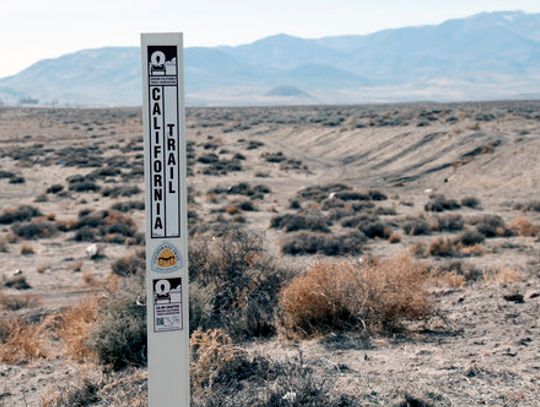
The update is “intended to add some flexibility for non-residential developments that are in remote portions of the city. We are hoping this will attract some new business types to the city’s outer limits,” said Senior Planner Alisa Johansson during the first reading of the proposed ordinance on Feb. 4.
The proposal would exempt non-residential uses in these remote areas of the city, located in GR, or general rural, and RR, or rural residential, zoning areas, from the requirement that they connect to city water and wastewater systems, allowing them to use water wells and septic tanks.
“Unserviced” areas would also be allowed relaxed requirements for landscaping, screening and street improvements, according to a staff report on the item.
Councilman Ryan Hanan questioned what happens to these remote properties when city development reaches these areas and they are no longer remote.
“We wrote the definition of unserviced areas to be a moving target,” Johansson said. “So as the city grows, that infrastructure is also going to expand. Eventually, those remote portions of the city will no longer meet the unserviced definition, so they would no longer be subject to the relaxed requirements.”
When development reaches the formerly unserviced areas, uses permitted under the relaxed standards would then be considered non-conforming, and they would be required to comply with traditional development standards if they want to redevelop the property or make any major changes, Johansson said.
The proposed definition for unserviced areas is “sites that are not mapped within an adopted Area Plan and that are more than one quarter mile from any public utility infrastructure.”
The definition for xeriscaping in the proposal is “the process of landscaping that significantly reduces or eliminates the need for irrigation,” with the landscaping requirement for these remote sites to be xeriscaped to the “approval of the administrator, with native plants to be retained to the extent practicable.”
Opaque screening would also be required along any street frontage and between non-residential and residential uses, and where use standards require screen fences or masonry walls, any opaque material acceptable to the administrator may be used.
Uses most likely to take advantage of the code amendment are those with low visitation and staffing levels, low utility needs, and larger spatial needs, the staff report predicted.




Comment
Comments