
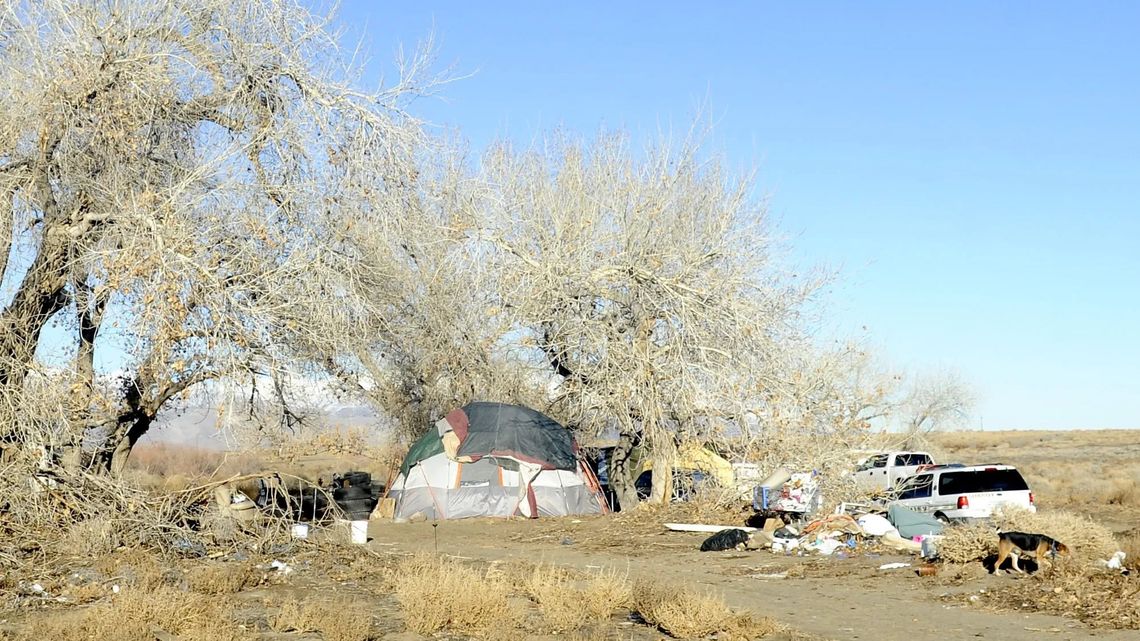
When we hear that someone is homeless, what do we picture?
Someone sleeping on a sidewalk? A person pushing a shopping cart? Someone we assume has a drug or mental health problem? Someone who “just isn’t trying”?
Now picture a parent who got 30 days’ notice to leave a rental home and couldn’t find anything else to rent. Can you picture that parent trying to get children ready for school at a shelter? Someone heading to work from their car? A family staying with relatives because they cannot find another rental they can afford?
That’s the reality for some families today. Ordinary people trying to live ordinary lives, thrown off balance by circumstances they often cannot foresee or prevent.
The way we picture people and their circumstances shapes what we believe about them, how we treat them and whether we see a reason to help.
In a recent interview, Natasha Valiska, who works with Lyon County School District’s grants and Children in Transition services, talked about families facing housing problems, the needs of students and the beliefs that can get in the way of understanding a crisis.
“There’s a lot of beliefs behind being homeless that are not true,” she said.
Her point is a reminder to pause before deciding we know someone’s story.
A crisis can have many beginnings
Valiska described several circumstances that can lead to the loss of housing: losing a job, eviction, a shortage of affordable homes, divorce, domestic violence, or a house fire or flood.
She also described families facing a move when owners sell rental homes. Finding another place at a similar price can be difficult.
“It’s really hard to find something comparable in cost,” she said.
Under the federal McKinney-Vento Act, children experiencing homelessness are those who lack a fixed, regular and adequate nighttime residence. That includes children sharing someone else’s home because of housing loss or economic hardship; staying in motels or campgrounds because they lack adequate alternatives; or living in shelters, cars or substandard housing.
Having a roof for tonight does not always mean having a stable place to live.
Before asking what someone did wrong, we could ask what happened and what would help now.
What schools can do
Federal homeless education funds can help cover school supplies, clothing, hygiene products, tutoring, counseling and certain transportation costs so eligible children can attend school and take part in school activities. Funds can also help obtain records needed for enrollment and connect families with health services. Specific assistance depends on funding rules and a student’s needs.
That support can help children stay connected to school while their families work through a crisis. Community help remains essential for needs beyond what school programs can provide.
Food people can actually access
One need Valiska identified was food.
“I think that we need more food pantries,” she said.
She also raised the issue of availability. A pantry may have food, but can a working parent get there during its open hours? Would Saturday or evening hours help more families?
Those are practical questions for a community to ask when trying to make its help more useful.
So are questions about what food a family can use. Does the place where they are staying have a stove? A refrigerator? Somewhere to store groceries?
A donation can begin with good intentions. Asking a few questions can help it meet the need.
Somewhere safe to stay
Food is one part of a larger conversation Lyon County needs to have.
Lyon County has no homeless shelter. That leaves a basic question: Where can someone go when they lose their place to live? Where can a parent take children during a crisis?
Any safe place to stay needs to offer more than an available space. Privacy, clear rules, respectful treatment and attention to safety belong in the discussion.
Clothing closets and resource centers could also be part of that effort: places to find a warm coat, clothes for work or school, basic supplies and help finding the next service.
The people who would use those resources need a voice in planning them. They can explain barriers that others may overlook.
A countywide effort
Emergency help and affordable housing belong in the same conversation.
A pantry can help a family eat this week. A clothing closet can meet an immediate need. A safe place to stay can give someone time to work out the next step.
But affordable housing offers the possibility of lasting stability.
Building that support starts with understanding what is available, where the gaps are and what people experiencing homelessness say they need. It also means asking how communities across Lyon County can share the work.
“I think that we need to come together as a county,” Valiska said.
Changing perceptions can begin with a conversation. Making help effective takes listening, planning and follow-through.
The question for our neighbors is simple: What would help you get through today and find a place you can count on tomorrow?
And the question for Lyon County is just as important: What are we doing to improve affordable housing?






Comment
Comments