My dad was 18 when he joined the Navy during World War II.
He had wanted to go sooner. He was 16 when Pearl Harbor was attacked, but his mother would not sign the papers that would let him enlist early. He would have to wait.
As soon as he turned 18, he and some friends traveled south from Greenville, Pennsylvania, to Pittsburgh to sign up.
Then they celebrated by going to an upper floor of their hotel and dropping water balloons on people below.
The police came upstairs. When the boys explained that they had just enlisted, Dad recalled, the officers told them to knock it off, sent them downstairs, and congratulated them.
They were headed to war. But they were still boys.
For years, I asked my dad about his service aboard the USS Florence Nightingale. He would not talk about much of it. Instead, he told me about winning money from the other sailors playing craps.
Or he told the watermelon story.
While in Algeria waiting to ship out, he and two friends stole a watermelon from a farmer’s field. According to Dad, the farmer came out with a blunderbuss—an old-style gun—and fired at them as they ran down the road carrying their prize.
Those were the stories he chose to share: boys getting into trouble, far from home.
I wanted to know more. But those were the memories he offered, and they are the ones I carry now.
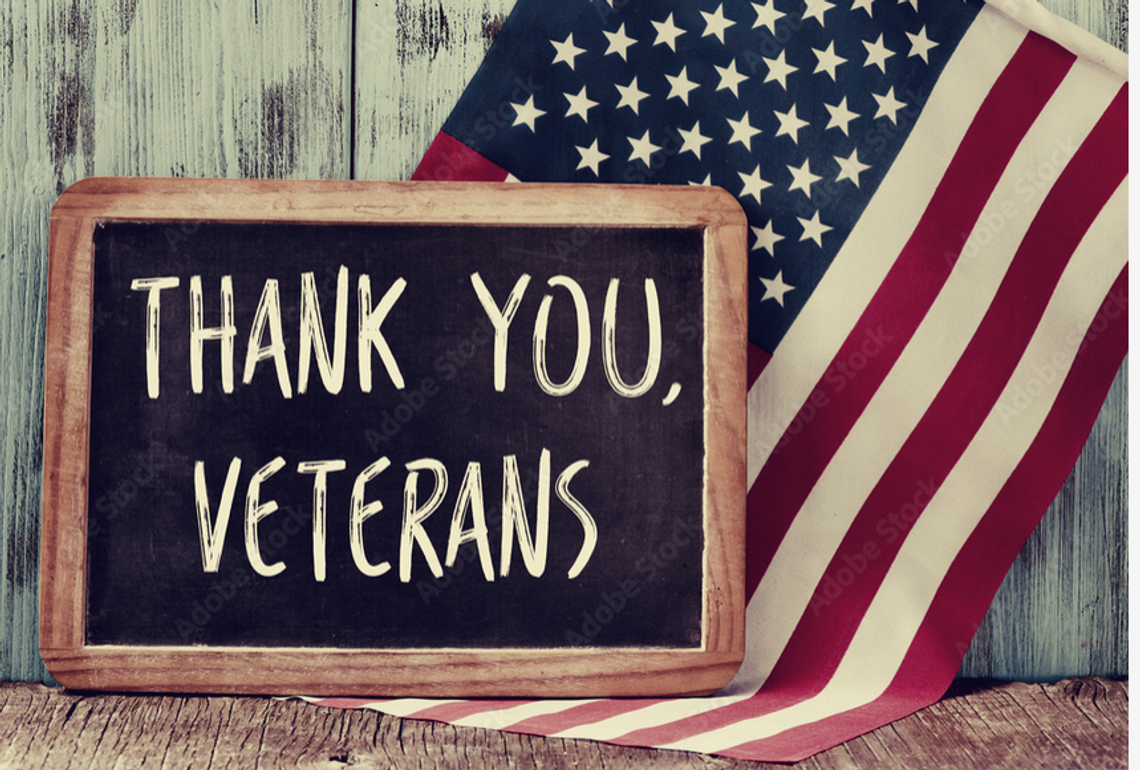
November 11 began as Armistice Day, marking the halt to fighting in World War I in 1918. The first observance came a year later. In 1954, after World War II and the Korean War, the name changed to Veterans Day to honor all who served.
Each generation has its own memories of leaving home, making friends, and facing what came next.
My cousin Rick Martin and I have birthdays three days apart. Mine is July 2; his is July 5. When we were five or six, he announced, “I’m older than you because five is more than two.”
We still laugh about it. Oh, yes, Rick is older than me.
He also swears I always got him into trouble. I deny it, but it is absolutely true.
That is the cousin I grew up with. Years later, he was an A-6 pilot. His service brought him to Fallon on many detachments, and he told me he loved every visit. He thought the area was beautiful. His navy call sign was Fang… enough said.
When I asked Rick about the hardest part of his service during Desert Storm and the war in Iraq, he took me back to his first mission.
He thought, no, he was sure, he would be shot down. He said "I thought I was going to leave my children fatherless".
He went anyway. I imagine there are many like him. ‘I'm in mortal danger, but I am going anyway.’ Thank you to all of you for your bravery, and your service.
The cousin who argued birthday arithmetic with me became a man who climbed into an A6 aircraft knowing he might not come back.
I think about that alongside my father’s stories. I knew Daddy as my father and Rick as my best cousin. Asking about their service meant trying to understand parts of their lives I had never seen.
Even then, I could know only what they chose to share.
This Veterans Day, we might ask a neighbor how old they were when they enlisted. What do they remember about leaving home? Who became their closest friend? What would they like us to understand?
Then give them time to answer, or room to leave some things unsaid.
Rick told me that on Veterans Day, he gets up and remembers his friends, including those who gave their lives for this country.
“I just remember them and bring them home,” he said.
I keep coming back to those words.
Here in Fernley, we may know a veteran through work, a community meeting, or a familiar table at a restaurant without knowing much about their service. A phone call, a visit, or an invitation to sit awhile can open a conversation.
I cannot ask my father again. I can remember the 18-year-old who went to Pittsburgh with his friends, signed his name, and then got into trouble with water balloons.
And I can listen to my ‘older’ cousin Rick.
This November 11, perhaps we can each make time to listen to someone who served—and help carry a memory forward.



Comment
Comments