
A sweeping northern Nevada public lands bill years in the making cleared the U.S. House Monday, moving a package of land sales, transfers and wilderness designations affecting communities from Pershing County to Fernley, Elko and Douglas County one step closer to becoming law.
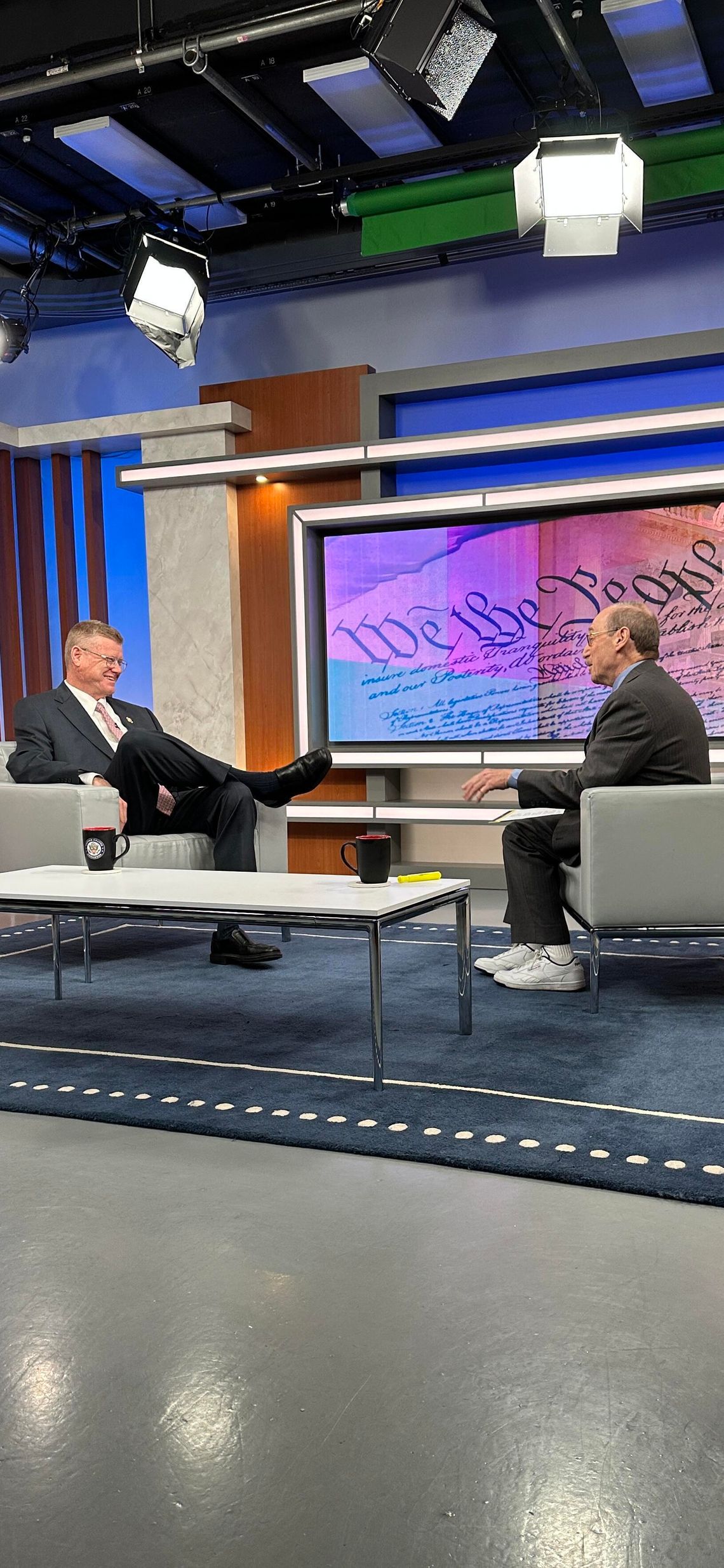
The House passed H.R. 2317, which was championed by outgoing Congressman, Mark Amodei, and known as the Northern Nevada Economic Development and Conservation Act, by voice vote Sept. 14. The measure now moves to the Senate.
The bill is essentially a collection of long-running northern Nevada land proposals bundled together. Some federal land would be transferred to local governments or the Washoe Tribe of Nevada and California. Other parcels could be sold or exchanged. Nearly 150,000 acres would receive permanent wilderness designation.
For rural Nevada, however, the important questions are considerably more specific and include proposed wilderness boundaries, grazing allotments, existing roads, stock-water facilities and access issues. Important for rural economic development are the lands where federal land could eventually become available for development.
Those questions are particularly significant in Pershing County.
The bill creates a process aimed at untangling the county’s massive checkerboard pattern of alternating public and private ownership, a remnant of 19th-century railroad land grants. Federal legislation describing the problem says the pattern has frustrated county government, private landowners and federal land managers for generations.
Within an area covering roughly 356,000 acres, certain Bureau of Land Management parcels already identified for disposal could be sold or exchanged. Federal land encumbered by existing mining claims could also be offered to qualifying claim holders at fair market value.
The bill would simultaneously designate seven new wilderness areas in Pershing County totaling roughly 136,000 acres, including Cain Mountain, Bluewing, Selenite Peak, Mount Limbo, North Sahwave, Grandfathers and Fencemaker. Approximately 48,600 acres currently within wilderness study areas would be released from wilderness-study status.
That combination—disposing of some federal parcels while permanently protecting others—is at the heart of the Pershing County proposal.
Existing livestock grazing within the proposed wilderness areas is specifically allowed to continue under the legislation, subject to federal wilderness-management rules. The bill also preserves state authority over wildlife management and says the designations do not create a federal reserved water right.
Still, protecting an existing right on paper does not answer every practical question for ranchers.
Access roads, pipelines, troughs, maintenance routes and neighboring land ownership can matter as much as the grazing permit itself. Those parcel-level impacts will become increasingly important if the bill continues advancing.
Fernley has another major piece of the legislation.
The bill authorizes approximately 12,085 acres of federal land to be conveyed to the City of Fernley for fair market value at the city’s request. Fernley would also be responsible for appraisal, survey and other conveyance costs. The provision has been sought as a way to create additional land for future economic development in a city largely surrounded by federally managed property.
The package also includes federal land around Elko, including approximately 644 acres identified for the City of Elko and roughly 3,475 acres for Elko County.
Douglas County provisions would convey thousands of acres for flood control, recreation and public purposes, while transferring roughly 2,600 acres into trust for the Washoe Tribe.
Washoe Tribal Chairman Serrell Smokey has supported those provisions, saying the lands reflect years of work by tribal elders and leaders and would strengthen tribal sovereignty and restore connections to culturally important lands. That support applies specifically to the Douglas County tribal land provisions, not necessarily every component of the larger northern Nevada package.
The Douglas County portion would also permanently designate approximately 12,392 acres in the Pine Nut Mountains as the Burbank Canyons Wilderness. The area has already been managed as a wilderness study area for decades. County materials say the proposed boundaries preserve access along Rickey Canyon and Red Canyon roads.
Taken together, H.R. 2317 would reshape the ownership and management of a substantial amount of land across northern Nevada.
Supporters have argued that the package gives communities room for housing, infrastructure, flood control and economic development while settling long-running land-management issues and protecting other areas from development.
But House passage is not the end of the process.
The Senate can approve the bill as written, amend it or take no action. Any changes would have to be reconciled with the House before legislation could be sent to the president.
For rural Nevadans, that leaves some time to answer the question that matters most -- not just how many acres are moving on a federal map, but what those lines mean for the people already living, working, grazing, mining, hunting and traveling across the ground.



Comment
Comments