
We’ve all had those weeks where we feel like we are finally hitting our stride. The calendar is organized, the routine is locked in, and the plans are laid. For a fleeting second, you believe you actually have a handle on things.
And that is precisely when life connects a left hook right on the chin.
It usually comes without warning. There’s rarely a polite email ahead of time to let you know that some sudden crisis is going to completely derail your meticulously planned day. One minute you’re cruising along at highway speeds; the next you’re standing on the shoulder of the road in the pouring rain, wondering what just happened.
Some of those tribulations are of our own making, born from overcommitment or poor choices, while others just land out of nowhere — bad luck entirely out of our control.
Ultimately, handling either scenario comes down to resilience.
In boxing terminology, resilience is often described as having a “good chin.” That isn’t a fighter who possesses some magical power to avoid getting hit; it describes someone who can take a clean, devastating shot right on the button and somehow stay on their feet. They don’t panic when their vision blurs or their legs turn to jelly.
A boxer who is able to withstand that blow and make it through the round gets a break between rounds to regroup. Life doesn’t always give us that same kind of break, and we have to make one for ourselves.
That’s resilience, and that’s how we survive the shots we never saw coming.
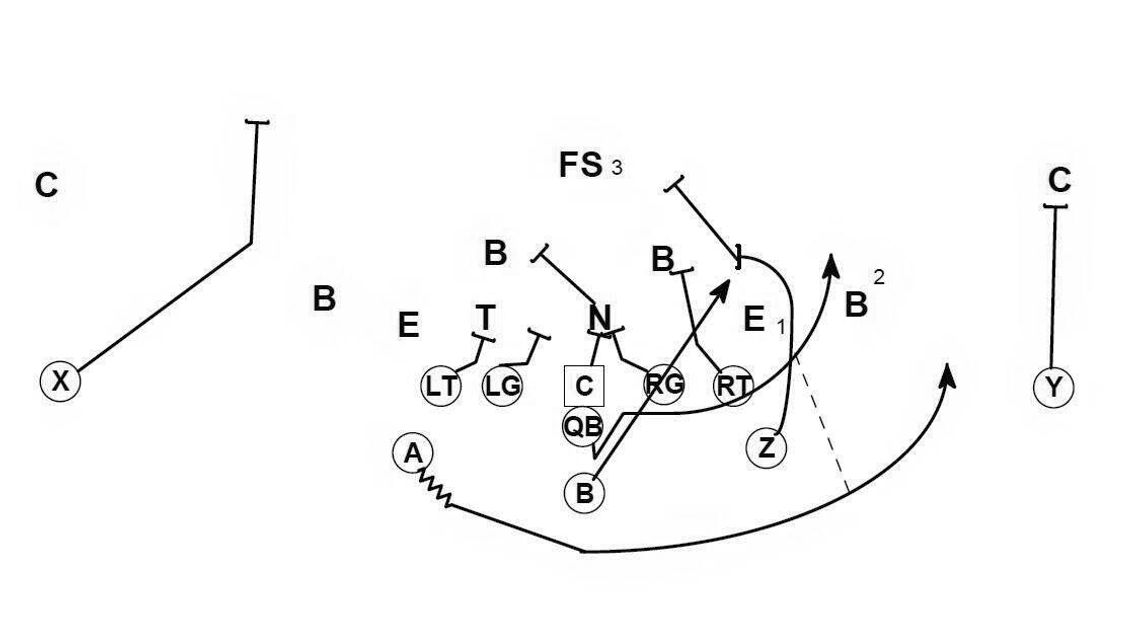
Football coaches talk constantly about winning in all three phases of football — offense, defense and special teams. When the offense stalls out, the defense has to take over to keep the team in the game.
Personal resilience works the same way. When our daily productivity and grand plans — our offense — get completely shut down by that unexpected left hook, our defense has to take the field. Sometimes that means letting our ability to regroup, reassess and rest pick up the slack until we can steady our legs.
A teacher I had used to end class every day by telling us to “keep your hands held high and chins tucked low,” and we all thought that was the hokiest thing we’d ever heard.
Some four decades later, I realize that was his way of telling us to be on guard for those unexpected blows that disintegrate our best plans and to have the chin to withstand them when they do land.
He knew what we hadn’t learned yet: that life is going to find an opening, and it’s going to hit you hard. Surviving doesn’t mean learning to avoid those blows; it means learning how to absorb them and keep going.
That’s resilience, and the longer I live, the more I realize that teacher was right. No matter how good your plans might be, you’d better have a good chin.





Comment
Comments