
We humans tend to spend a lot of energy trying to hold back the years. Those of us concerned about our appearance often drop a ton of cash on various and sundry lotions, potions, pills and even surgeries to deny Father Time his due. Others embrace the benefits of exercise and sound nutrition — a positive approach, for sure.
But as we diligently combat the outward vestiges of age, we become increasingly aware that internally there are some disconcerting signs arising. Despite our dedicated stab at healthy regimens, we recognize that our energy level is not quite what it was. And oh, yeah. The doctor pointed out that our blood pressure, cholesterol, blood sugar, etc., could be a whole lot better. We take the meds, perform the prescribed steps and hope for the best.
And yet, there’s still a little something nagging at our sense of well-being. Although we hate to admit it, even to ourselves, we notice that we aren’t quite as sharp as we once were. This is most prominently suggested by that pesky communication issue. Finding just the right word at just the right time eludes us all too often. Everyday items are too frequently referred to as “the thing.” We are assured by friends, family and even medical professionals that occasional lapses in word retrieval are common among people of a certain age.
But we wonder.
Now, because we are and have always been that kind of go-getter, we have never walked away from a challenge. We prepare for battle. We decide to approach our mental fitness with the same enthusiasm with which we have embraced battling the outward signs of aging. We will meet the current recommendations for strengthening mental wellness head-on. With some effort, optimal brain fitness will be ours!
We will spend more time doing crossword puzzles, solving brain teasers and maybe learning how to play canasta. We’ll take up belly dancing if we must, possibly take a math class, learn to play an instrument AND study a foreign language. That ought to do it, right?
But maybe not.
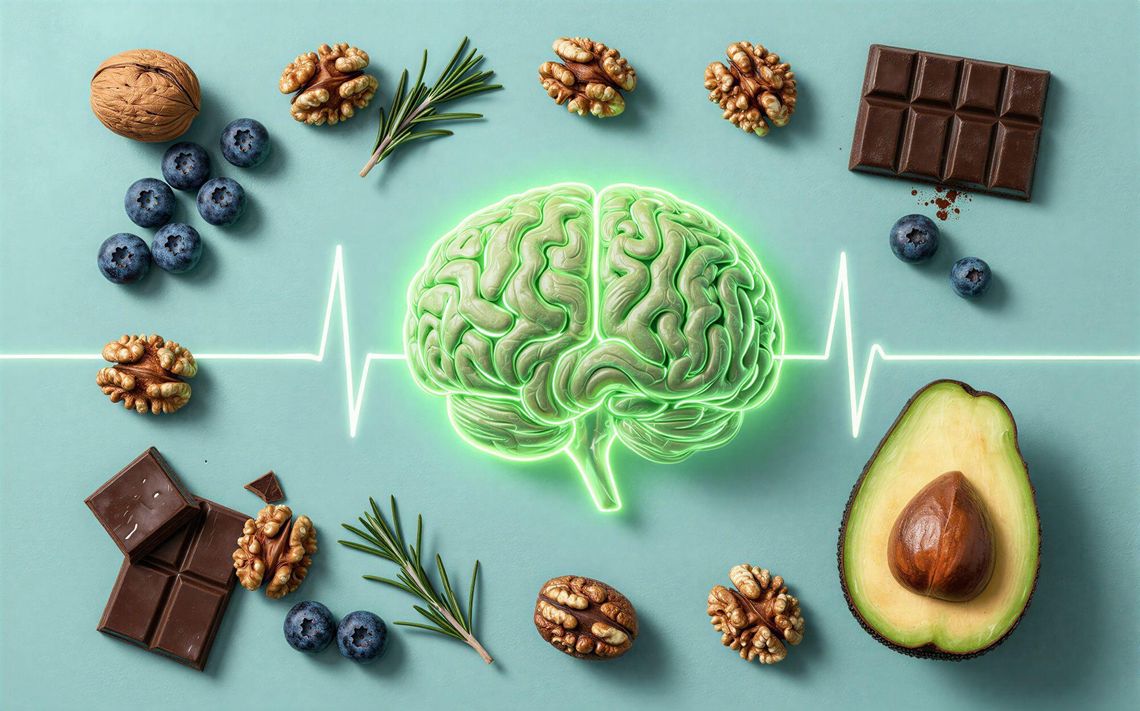
What if we incorporated some of those newfangled nootropics into our regimens?
Nootropics, from the ancient Greek noos and trope, literally means “bending or shaping the mind.” It is today’s technical term used to define substances designed to improve brain health. Clearly, this is not a new idea. For centuries, people across the globe ardently believed that certain neuroprotective properties could be found in herbs and spices. Among the most widely trusted substances have been ginkgo biloba, ginseng, sage, brahmi and turmeric, and they continue to be used today by many cultures.
In the late 2000s and early 2010s, as baby boomers began to reach retirement age, ambitious entrepreneurs as well as established corporations took notice of retirees’ growing anxiety. They began to explore the cost-benefit potential of launching or growing existing lines of brain-enhancing products.
The public clamor for natural remedies seemed like an excellent place for the fledgling industry to begin. Because companies manufacturing products billed as herbal remedies or nutritional supplements are far less regulated than pharmaceutical firms, the deal was cinched. In no time, all kinds of “smart vitamins” created from an array of plant-based compounds hit the market to a thunderous reception.
Today, you cannot access any form of media without seeing an ad for some kind of brain booster. Nootropics are BIG business! In 2025, the cognitive enhancement trade reportedly grossed between $1.8 billion and $3.39 billion. While no official or exact number of companies is verifiable, Precedence Research suggests it is a “highly fragmented market with hundreds to thousands of localized brands, contract manufacturers, and major multinational nutraceutical corporations active worldwide in 2025.”
This article didn’t start out as a series. As the topic was researched, it became clear that to do the subject justice, the information should not be crammed into one article of 700 words or less.
Look for Part 2 of “Nootropics — Science of the Mind (?)” in the Aug. 27, 2026, edition of the Fernley Reporter’s Senior Sense column.
Sonia Hedrick is interested in YOU! Would you like to share your unusual story with our neighbors? Or do you have an interesting topic you would like to explore in Senior Sense? Send Sonia an email at [email protected].





Comment
Comments